ziqing gong
composer working across contemporary composition and computer music
Ziqing Gong is an award-recognized composer based in New York whose work grows out of contemporary composition and computer music. His practice brings together musical craft, algorithmic approaches, and interactive sound systems to create immersive listening experiences.
Alongside his compositional work, he is involved in music-technology and sound-creation contexts, working within a startup environment that brings together audio tools, sound design, and musical content.
His background spans academic computer-music contexts, experimental composition, and professional work within large-scale interactive audio environments, including his time working in game-audio teams at Epic Games/Harmonix.


selected works

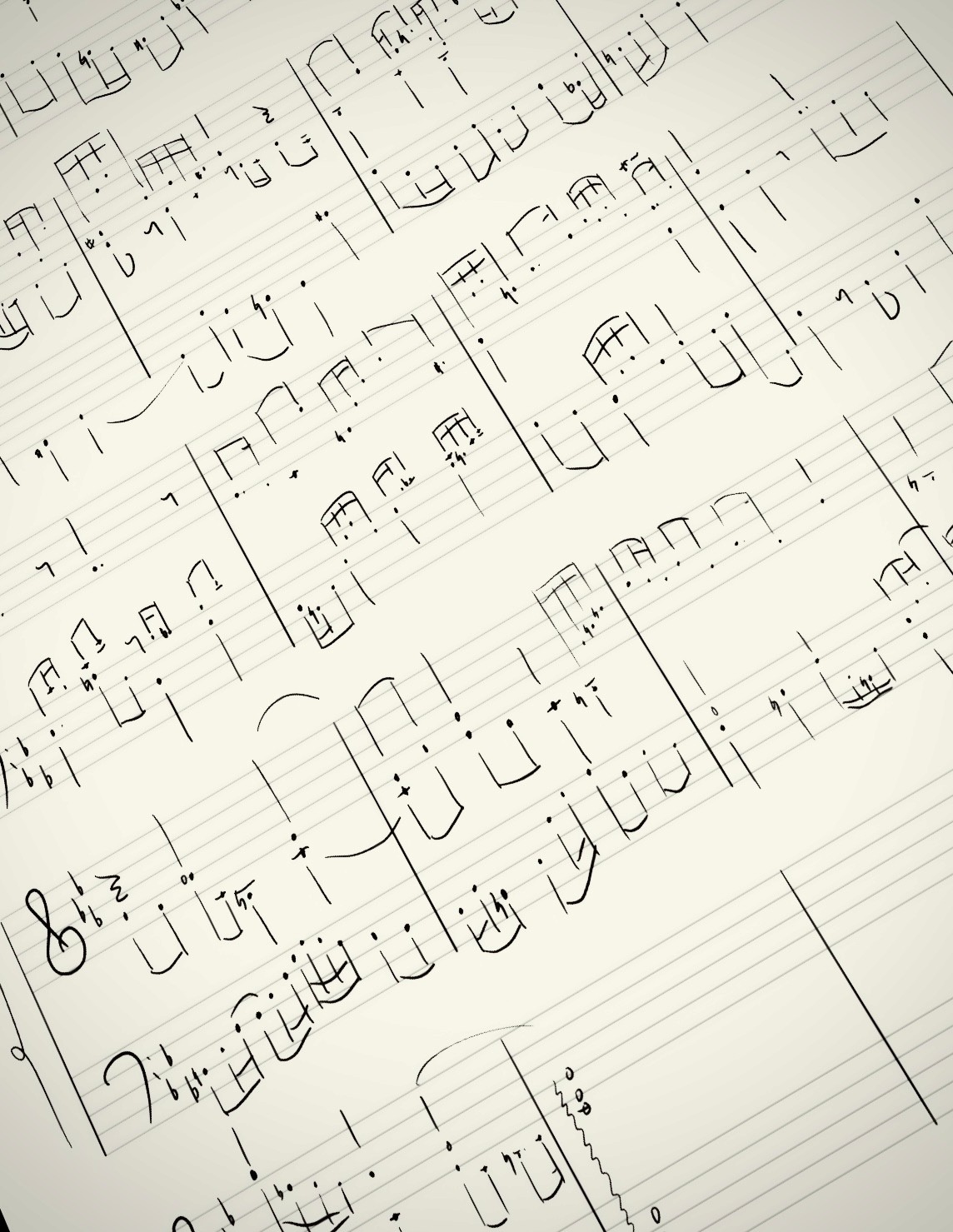
Milestones Original Soundtracks
Film Scoring, original soundtracks

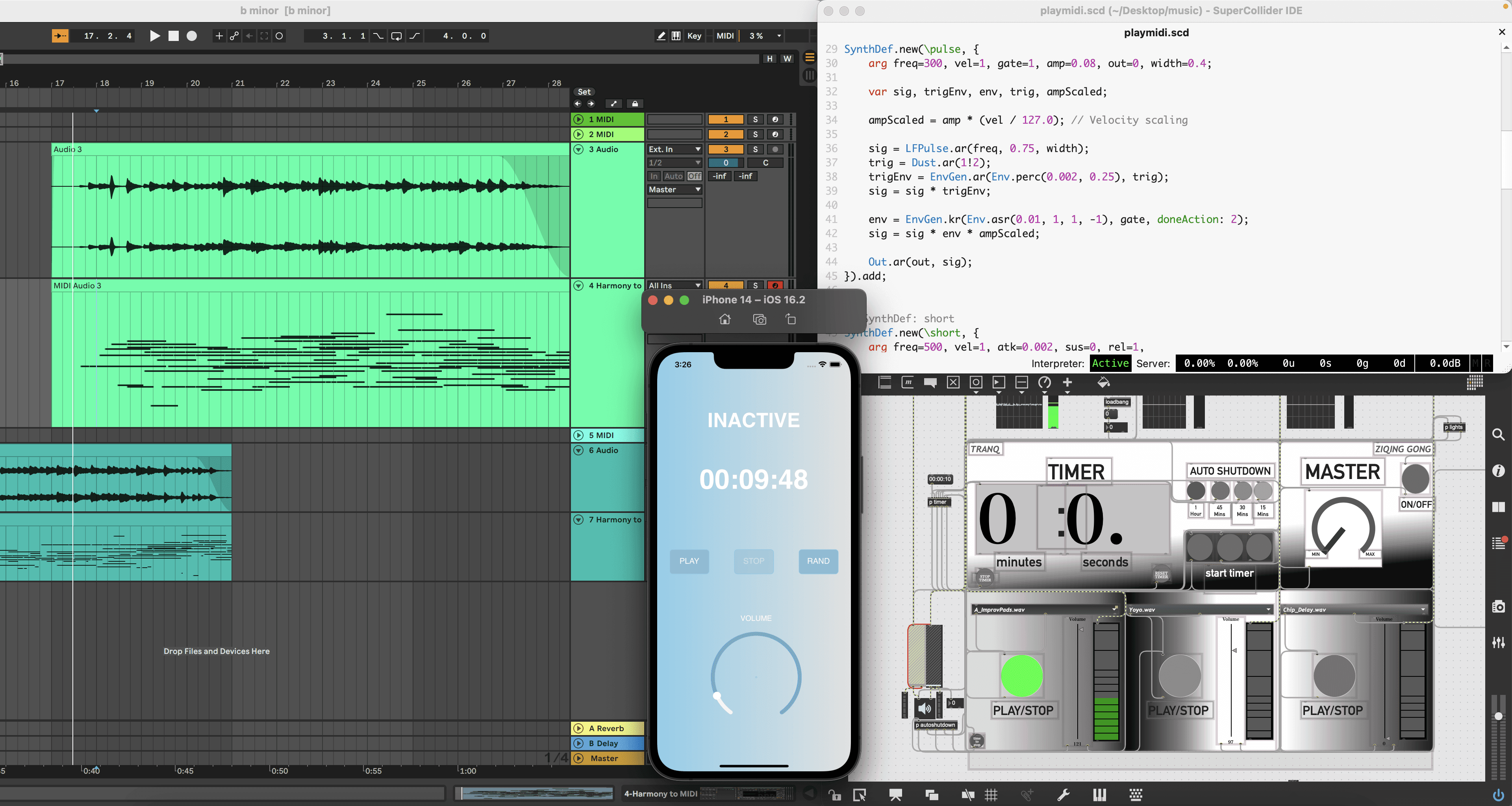
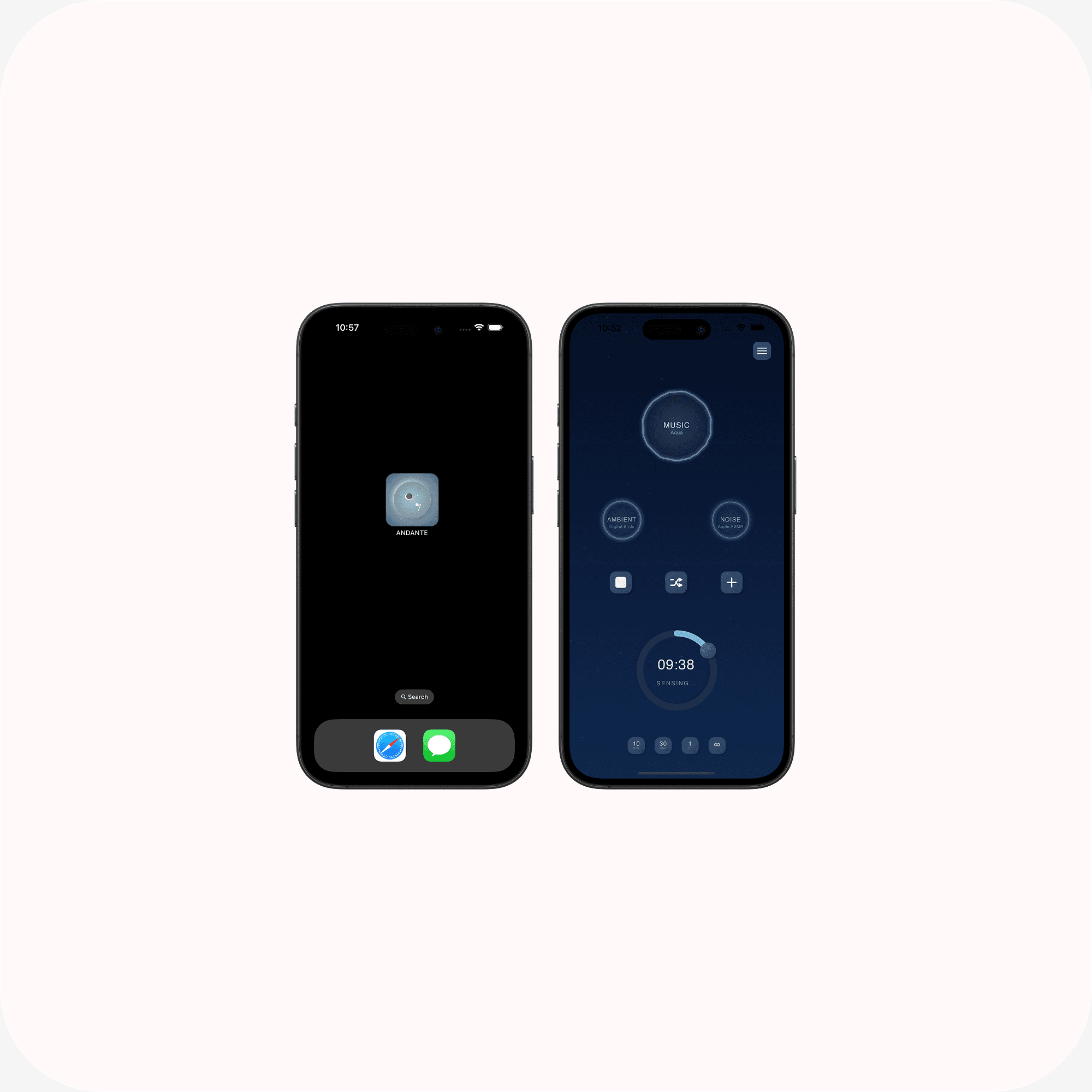
tranq
An sleep-aid music/audio mobile app

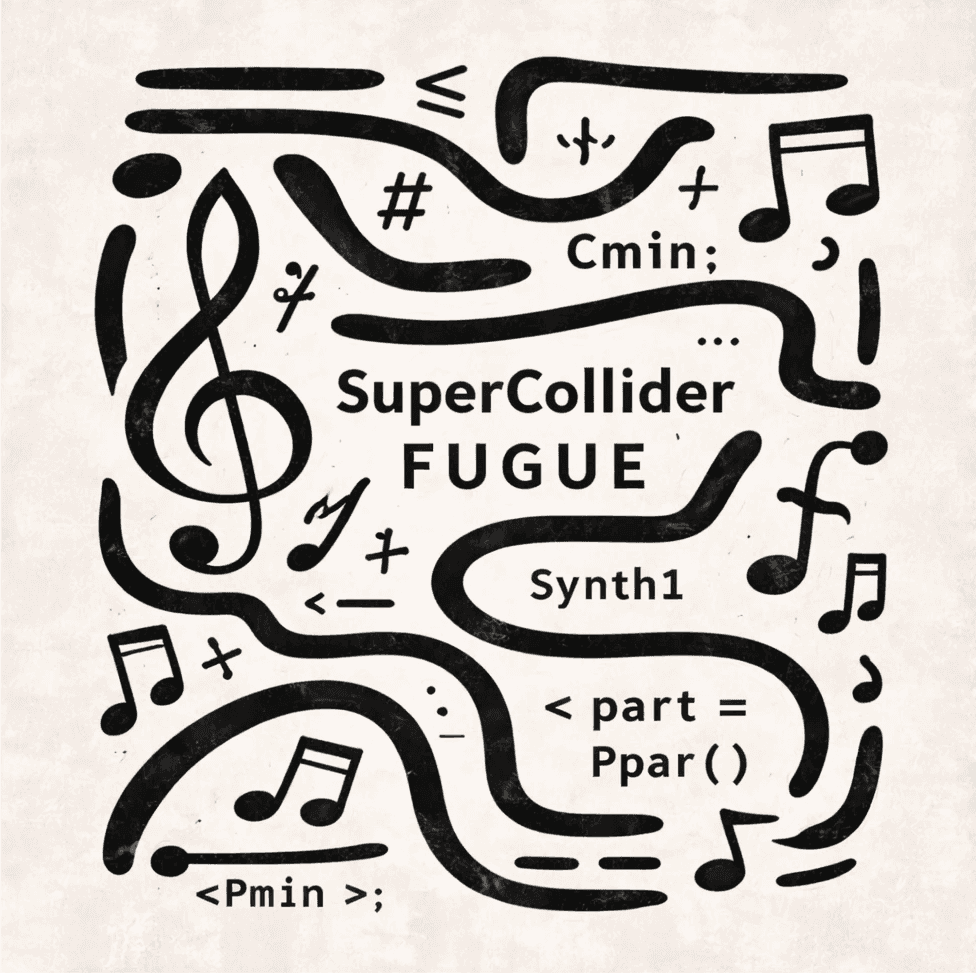
Fugue in C Minor (SuperCollider Rendition)
A three-part keyboard Fugue rendered with SuperCollider

sc phase
Algorithmic & Minimalist Composition (SuperCollider)

pluto
an ambient composition with ai generated audio-visual effects

higashi tune
algorithmic composition inspired by traditional Northern Chinese folk music
awards
Selected international awards across contemporary and classical music competitions.
ABSOLUTE FIRST PRIZE
Concours International de Musique Jean-Philippe Rameau
Bach International Music Competition UK
PLATINUM PRIZE
Carl Reinecke International Music Competition
Erik Satie International Music Competition
Max Bruch International Music Competition
GOLD PRIZE
World Classical Music Awards
World Artistry Music Award
Debussy International Music Competition
Georges Bizet International Music Competition
Global Genius Music Competition
practice & artistic focus
Using musical craft and digital technology to create immersive, meaningful listening experiences.
APPROACH
APPROACH
Ziqing Gong’s work is driven by a consistent focus: using musical craft and digital technology to create immersive, meaningful listening experiences. Rooted in contemporary composition and computer music, his practice brings together formal thinking, counterpoint, and melodic construction with algorithmic processes, interactive sound structures, and software-based systems. Technology is not treated as an external layer, but as compositional material that shapes how musical form unfolds over time and how listeners enter and engage with sound. The result is music that invites attention as an experience, evolving in time, shaped by process, and designed for engaged listening.
SYSTEMS & MATERIALS
SYSTEMS & MATERIALS
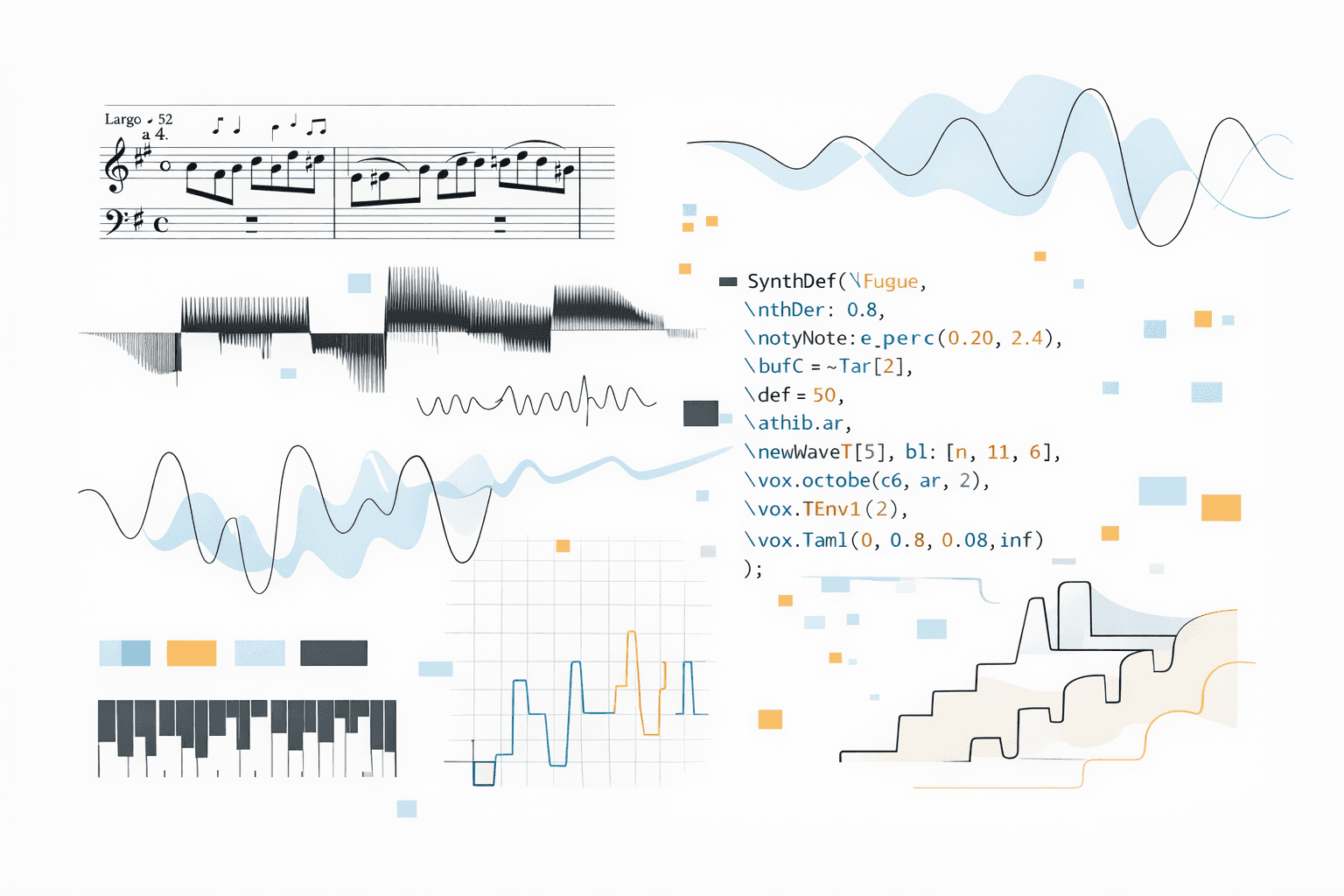
Gong moves fluidly between academic computer-music contexts, experimental composition, interactive sound systems, and music-technology environments, treating each as a continuous extension of compositional practice. Within these settings, he often composes by designing systems that define relationships and behaviors rather than relying on fixed scores alone. He has used environments such as SuperCollider to rearticulate classical techniques like fugue through algorithmic form, and to translate culturally specific musical materials, including elements drawn from Northern Chinese folk and narrative traditions, into electronic and system-based works. Across these projects, diverse musical languages are approached not as stylistic identity, but as compositional material shaped through structure, process, and transformation.
lISTENING/EXPERIENCE
Experience gained from designing interactive music environments and digital instruments, from collaborative game-audio systems to music-software contexts, directly feeds back into Gong’s compositional thinking. Central to his work is an interest in dynamic relationships, in how one musical or sonic parameter can modulate another, and how evolving networks of control shape perception, timing, and musical behavior. Whether working with generative algorithms, interactive structures, or studio-based composition, his practice asks how contemporary composition can expand what it means to “write music” in computational and immersive environments, and how these systems can create listening experiences that are not only heard, but entered.
selected backgrounds
philip kraus designs
audio programmer/ music produer
Develops audio plugins and software instruments, working across DSP, interface design, and sound creation for music-technology tools
2024 - now
philip kraus designs
audio programmer/ music produer
2024 - now
epic games (fortnite)
audio programming
Developed interactive audio and music systems for Fortnite Creative and Fortnite Festival, contributing to real-time audio and MIDI tools in Unreal Engine
2023
epic games (fortnite)
audio programming
2023
milestones documentary
film scoring
Composed and produced the original score for a feature-length documentary, creating over fifteen pieces of music across diverse musical languages
2020
milestones documentary
film scoring
Composed and produced the original score for a feature-length documentary, creating over fifteen pieces of music across diverse musical languages
2020
milestones documentary
film scoring
2020
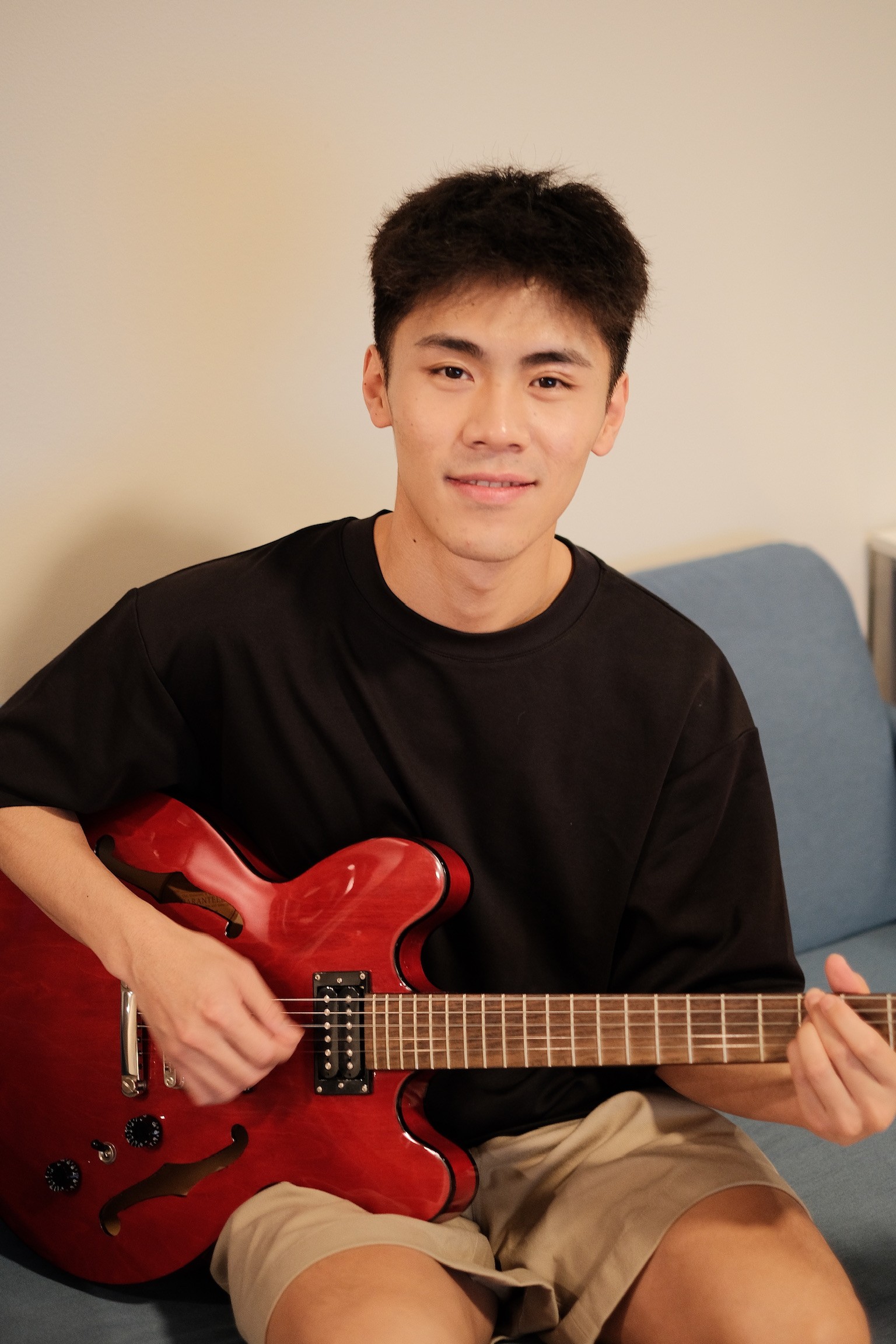
portrait


performance/instrument
performance
performance


process
process
process


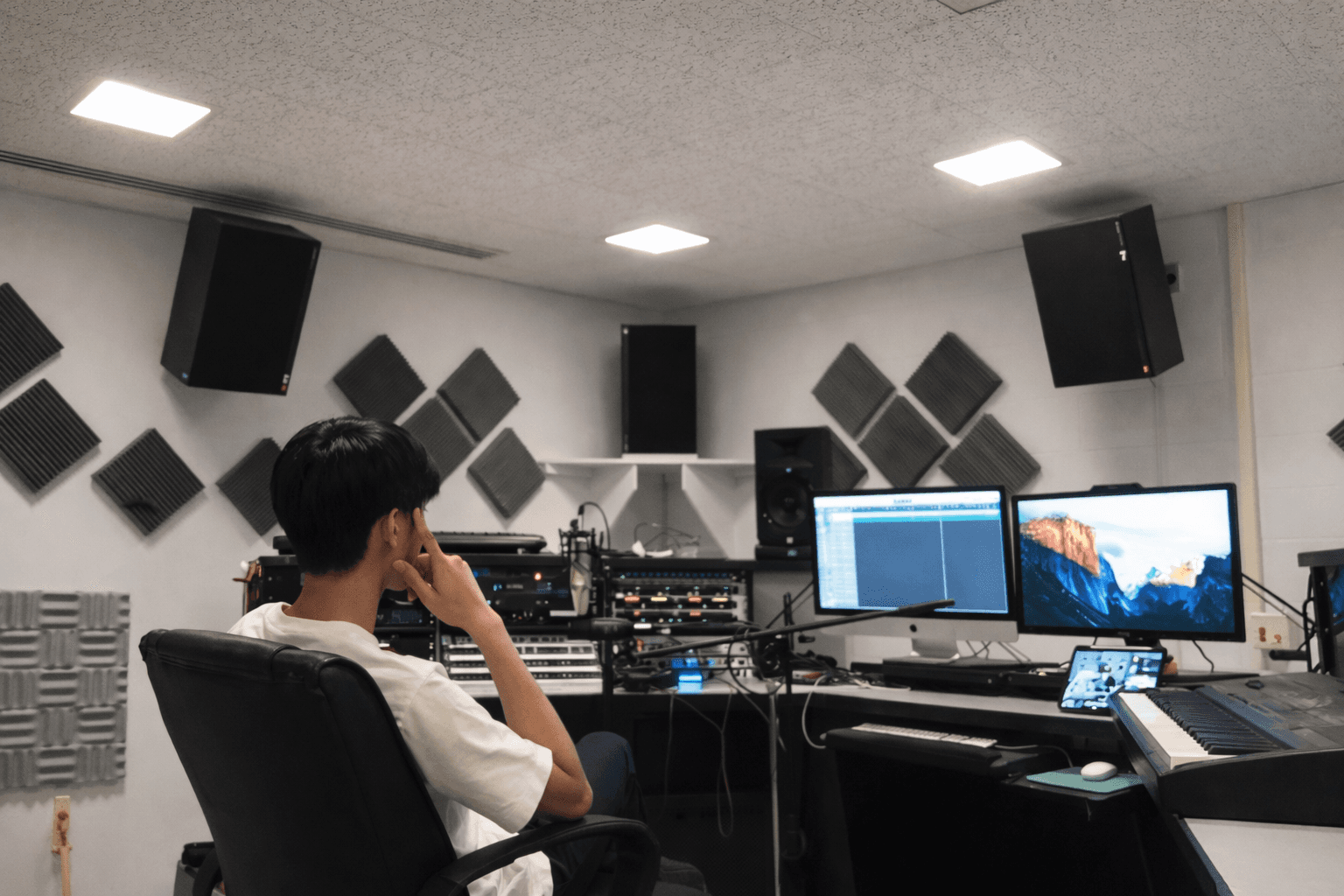
studio work
studio work
studio work
compositional environments


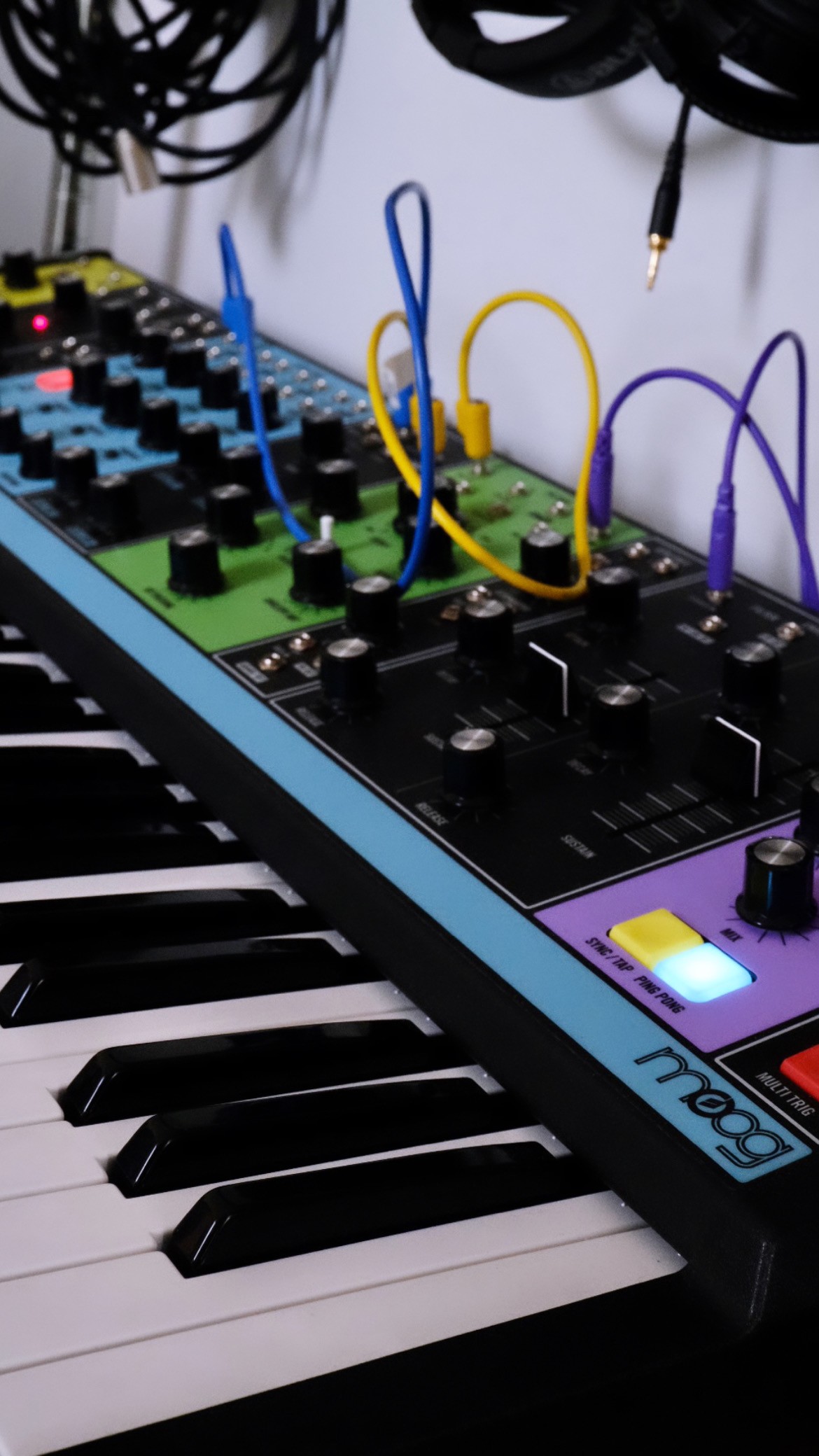
analog
analog
analog
sketches
sketches
sketches